Integrated Building Management System
The Brain of Your Building: Integrated Building Management System (IBMS)
Modern architecture is not just about aesthetics; it’s a symbol of intelligence. The Integrated Building Management System (IBMS) is the central nervous system of this intelligence, bringing all a building’s mechanical, electrical, and electronic systems onto a single, cohesive platform. It is more than a collection of technologies; it’s an essential strategy for operational efficiency, energy conservation, and security.
What Does an IBMS Control?
-
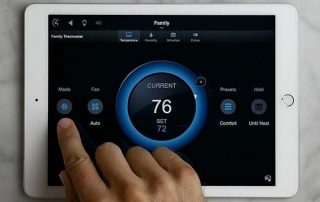
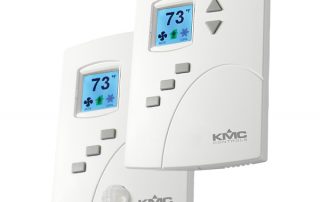
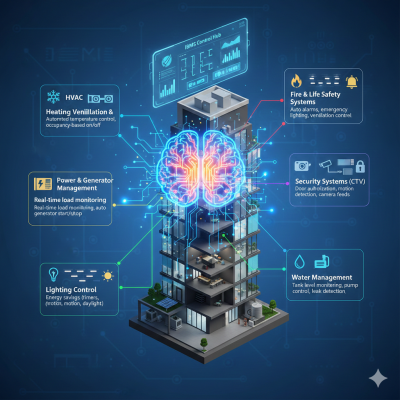
Heating, Ventilation & Air Conditioning (HVAC): Automated temperature control, system on/off based on room occupancy.
-
Power & Generator Management: Real-time load monitoring, automatic generator start/stop.
-
Lighting Control: Energy savings through timers, motion sensors, and integration with natural light.
-
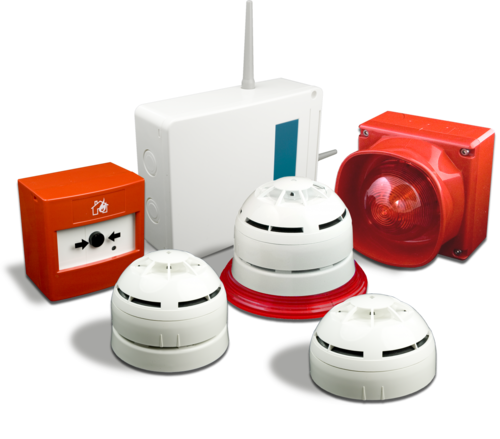
Fire & Life Safety Systems: Automatic activation of alarms, emergency lighting, and ventilation control upon fire detection.
-
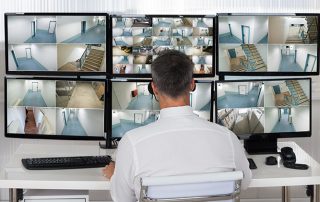
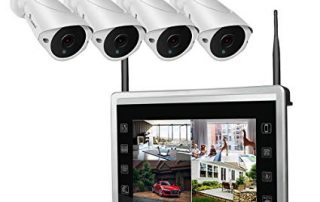
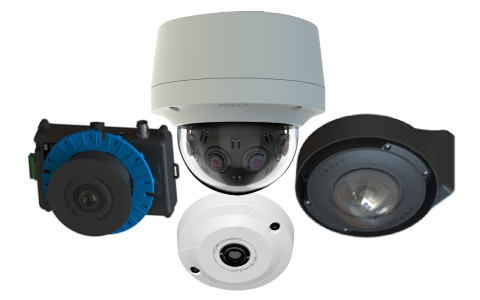
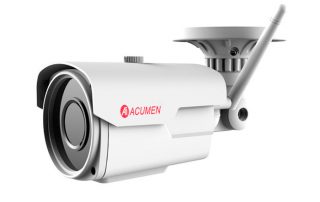
Security Systems (CCTV, Access Control): Door authorization, detection of suspicious movement, and automatic display of relevant camera feeds.
-
Water Management: Monitoring of tank water levels, pump control, and leak detection.
Key Benefits You Will Gain:
-
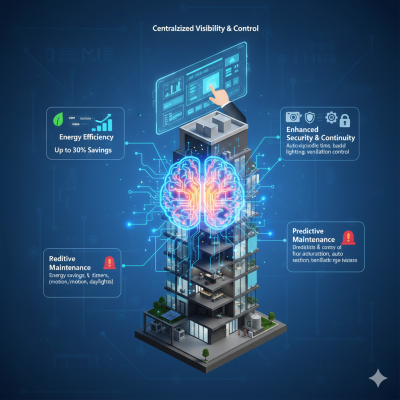
Centralized Visibility & Control: View and manage your entire building from a single touchscreen or dashboard.
-
Energy Efficiency (Up to 20-30% Savings): Automatically shuts down unnecessary power consumption.
-
Predictive Maintenance: Identifies equipment faults for early warnings, avoiding costly repairs.
-
Enhanced Security & Continuity: All security and emergency systems work in unison, ensuring rapid response.
-
Reduced Total Cost of Ownership: Efficient operations and lower maintenance costs.
Ideal Applications:

-
Commercial: Corporate towers, shopping malls, banks, hotels.
-
Institutional: Universities, hospitals, research laboratories.
-
Industrial: Pharmaceutical plants, data centers, telecom exchanges.
-
Residential: High-end apartment complexes, smart villas.